From fire alarms to evacuation plans, US offices must comply with strict regulations to minimize risk and meet insurance and legal standards.
We’ll explain why training matters, how to prepare for inspections, and what best practices help businesses stay compliant year after year.
Read on to discover how to navigate certification renewals with confidence.
Why Fire Safety Matters in US Offices
Electrical malfunctions, kitchen mishaps, overloaded circuits, or improper storage can all ignite dangerous workplace fires.
Fire safety in the workplace protects more than just assets—it safeguards employees and visitors from harm.
Failure to comply can result in severe fines, legal liability, or even closure.
How Fire Brigade Training Prepares Offices for Emergencies
This training is essential for ensuring that offices can respond quickly and safely if a fire breaks out.
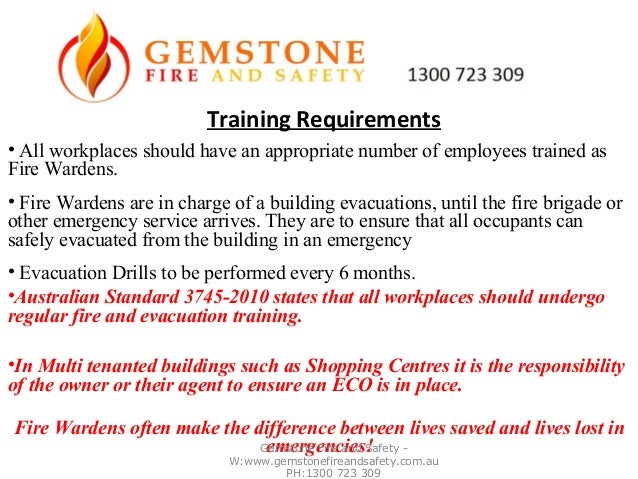
Employers are responsible for selecting suitable fire wardens and ensuring they receive regular training updates.
Well-trained fire wardens not only enhance safety but also help organizations pass compliance inspections, reducing legal and insurance risks.
How to Prepare for Fire Safety Certification and Renewals
These certifications confirm that the office has adequate fire alarms, extinguishers, evacuation plans, signage, and trained personnel in place.
Check that all fire extinguishers are inspected and tagged, alarms are functioning, and exit routes are unobstructed.
Certification isn’t a one-time event—renewals are typically required every few years or after major renovations or occupancy changes.

Best Practices to Maintain Fire Safety Year-Round
This includes routine equipment checks, clear communication, and fostering a culture where all employees understand their role in fire prevention.
Ensure that emergency exits remain unlocked, clearly marked, and free of obstructions at all times.
Host periodic refresher trainings, conduct surprise fire drills, and encourage team leaders to review emergency plans during staff meetings.
Understanding the Risks of Non-Compliance in Fire Safety
Non-compliance can lead to fines, lawsuits, business license suspension, or even criminal liability if negligence results in harm.
Insurance coverage is also tied to compliance.
By prioritizing fire safety, businesses demonstrate responsibility and reduce the risks of costly legal and financial setbacks.
Why Every US Business Needs Strong Fire Safety Practices
Whether you run a small office or a large corporate campus, robust fire safety strategies are a non-negotiable part of doing business.
They not only meet legal obligations but also build trust with employees, clients, and insurers.
As fire risks evolve and workplace environments change, staying proactive is essential.
Common Questions on Workplace Fire Prevention
Which employees should receive fire brigade training?
However, all employees should receive basic fire safety orientation and know evacuation procedures.
What is the renewal period for fire safety compliance?
Renewal periods vary by jurisdiction but are often required every 1–3 years.
What should companies watch out for to prevent fires?
Routine inspections and employee awareness help prevent these hazards.
Can non-compliance void my business insurance?
Staying compliant protects both your business and your financial stability.
How do I write an effective workplace fire plan?
It should be clearly communicated, posted in visible areas, and reviewed regularly with staff.
responsabilidades da brigada de incêndio curso de brigada de incêndio